Empowering independence through daily life skills
Occupational therapy helps children build the sensory, motor, and self-care skills they need to navigate everyday life.






The Village commitment
Collaborate in a better way
Find better care
Everyday moments become lifelong skills.
From handwriting and brushing teeth to managing big feelings and navigating sensory challenges, occupational therapy helps children strengthen the skills that shape daily life — fine motor development, self-care routines, sensory processing, and emotional regulation. With the right support, those routines turn into milestones of independence and joy.
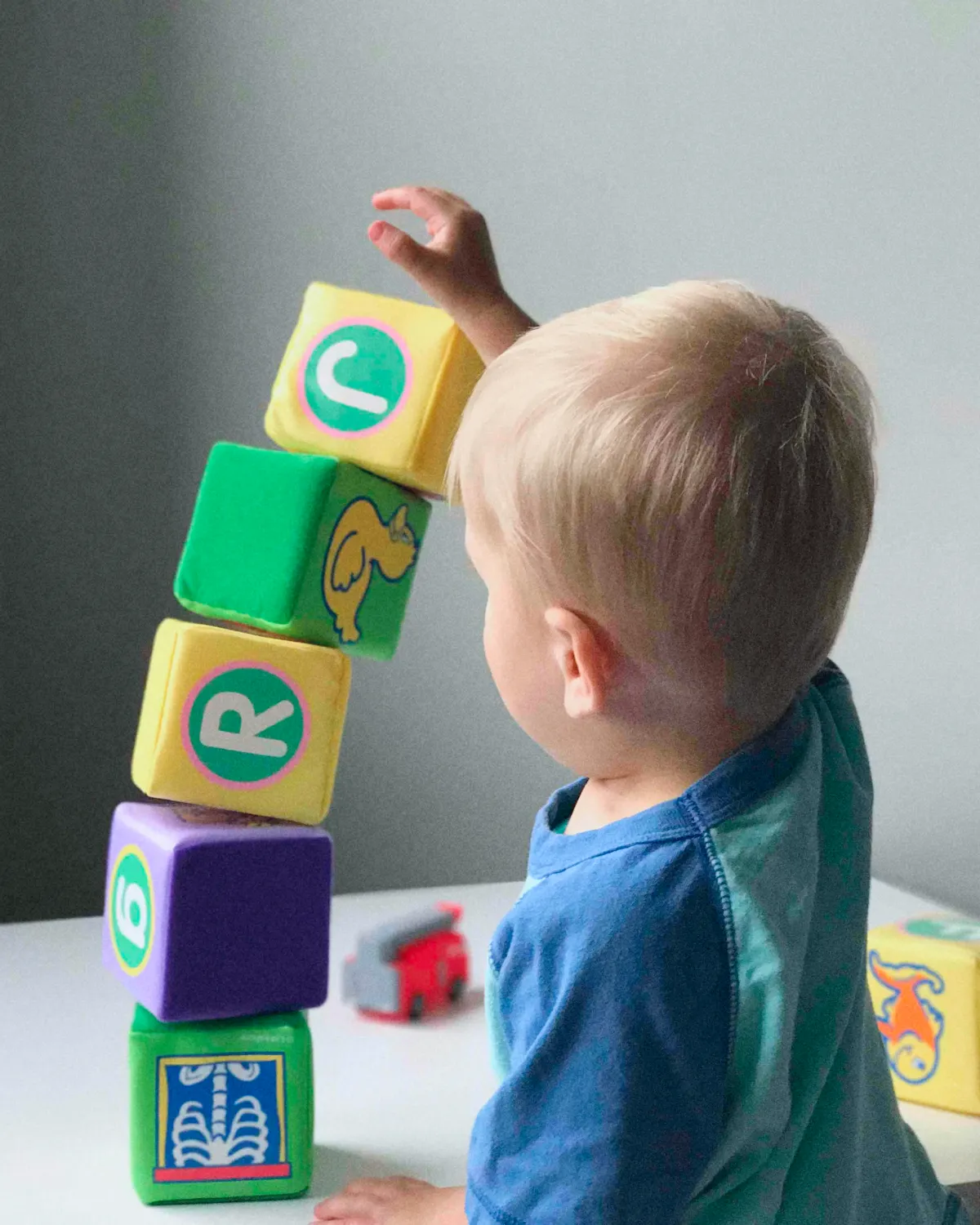
Core focus areas
What does pediatric occupational therapy entail?
Testimonials
Why families love Village
Learn how Village helps families, providers, and care coordinators work together more effectively throughout the care journey.
"I would highly recommend The Village platform. Honestly I wish I would have started with them sooner, my son’s development has surpassed my expectations in such a short time.”
Caregiver
Based in San Fransisco

Process overview
What to expect in pediatric occupational therapy
1
Evaluation
The child’s therapist begins with a thorough assessment to understand sensory processing, fine motor, and daily living skills. They observe how the child moves, focuses, and participates in routines at home, school, and play.
2
Goal setting
Using family input along with the therapist’s observations and assessment data, the therapist outlines short- and long-term goals — from self-feeding and dressing to emotional regulation and handwriting success.
3
Play-Based Therapy
Therapy sessions are fun, movement-rich, and child-led. Play builds foundational skills for attention, coordination, and confidence, and problem solving — so children learn and grow while having fun.
4
Real-Life Practice
Skills are practiced in meaningful ways, like climbing, cutting, drawing, or calming the body for transitions — connecting therapy to real daily routines to support independence.
5
Caregiver Coaching
Parents and caregivers receive hands-on strategies, sensory tools, and visuals to use at home. Simple routines are shared to make meaningful progress between sessions.
6
Collaboration
With Village, progress updates and goals are shared in one secure place so caregivers and providers stay connected. Children thrive when everyone works together as a team.
FAQ
Questions about Village
How do I know if my child needs therapy?
How do I know if my child needs therapy?
If you have concerns about your child’s development, such as communication, speech, mobility, motor skills, or daily activities, therapy may help. You can consult your pediatrician or use Village to find a provider for an evaluation.
Does my child need an evaluation to begin care with Village?
Does my child need an evaluation to begin care with Village?
If you're starting with a new provider, most therapy services start with an evaluation to create a personalized care plan, but this may vary. Your provider will guide you on what’s needed to begin. If you're using Village with an existing provider, an evaluation is not needed.
How much does Village cost for families?
How much does Village cost for families?
Using Village to find and coordinate care is free for families. Therapy session costs depend on your provider, insurance coverage, and care plan. Village was created to make care more accessible—many families find more affordable options on Village, with rates often 25–75% lower than traditional clinic-based services.
Is Village accepting patients in my area?
Is Village accepting patients in my area?
Village is currently available in the Greater Los Angeles Area, Orange County, and San Diego with some teletherapy options across California. We’re expanding soon! Email community@myvillage.co if you want Village in your area.