
Clinically reviewed by
Mary Gianatasio, MA in Child Psychology
For many families, mealtimes can become emotionally exhausting when a child struggles with picky eating, sensory sensitivities, food refusal, or anxiety around eating. Parents often feel pressure to help their child eat “well enough,” while children may begin associating meals with stress, overwhelm, or discomfort.
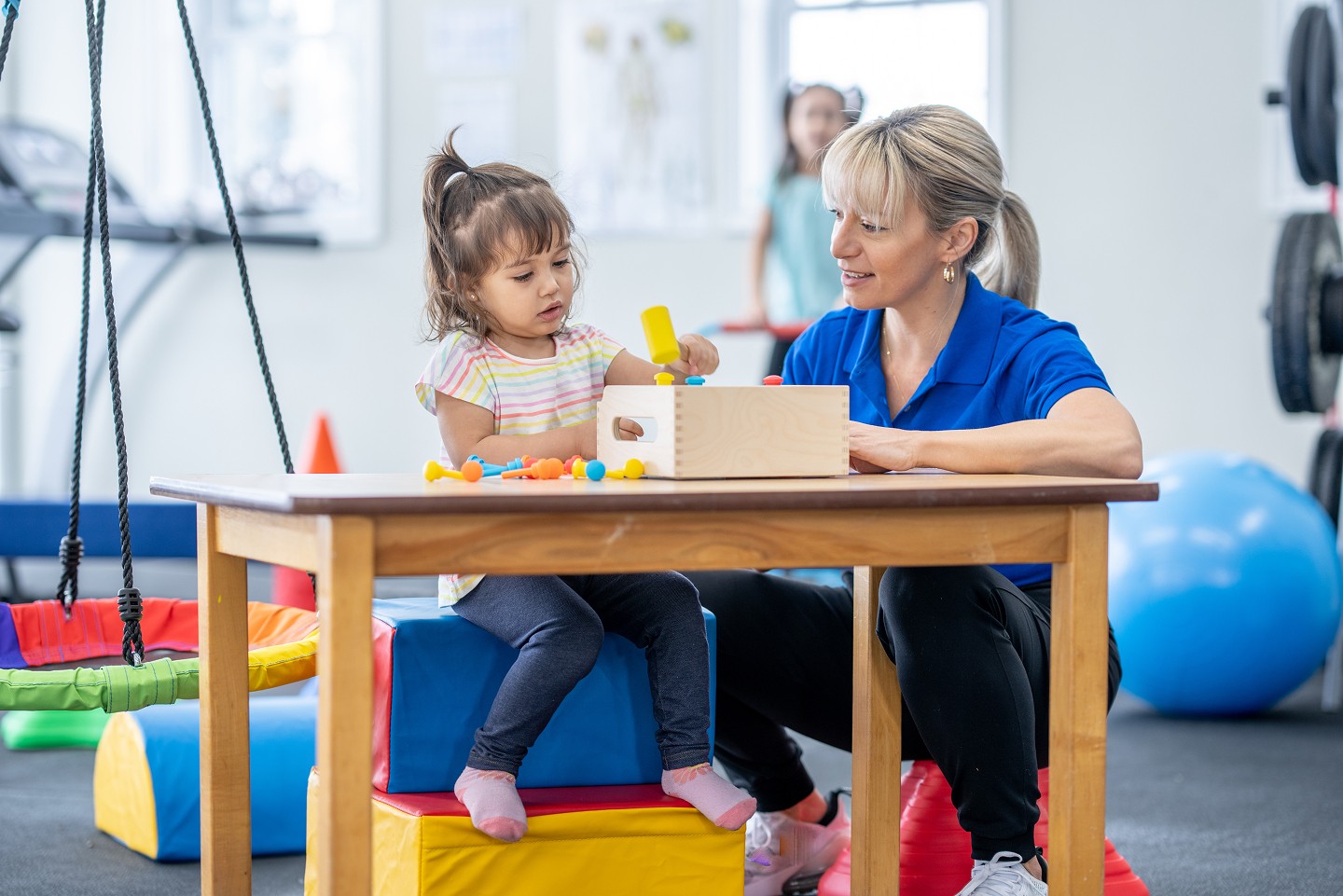
From an occupational therapy perspective, feeding is about far more than food alone. Eating involves sensory processing, oral-motor coordination, posture, digestion, emotional regulation, and nervous system safety. A child’s ability to eat comfortably is deeply connected to how regulated, calm, and supported their body feels.
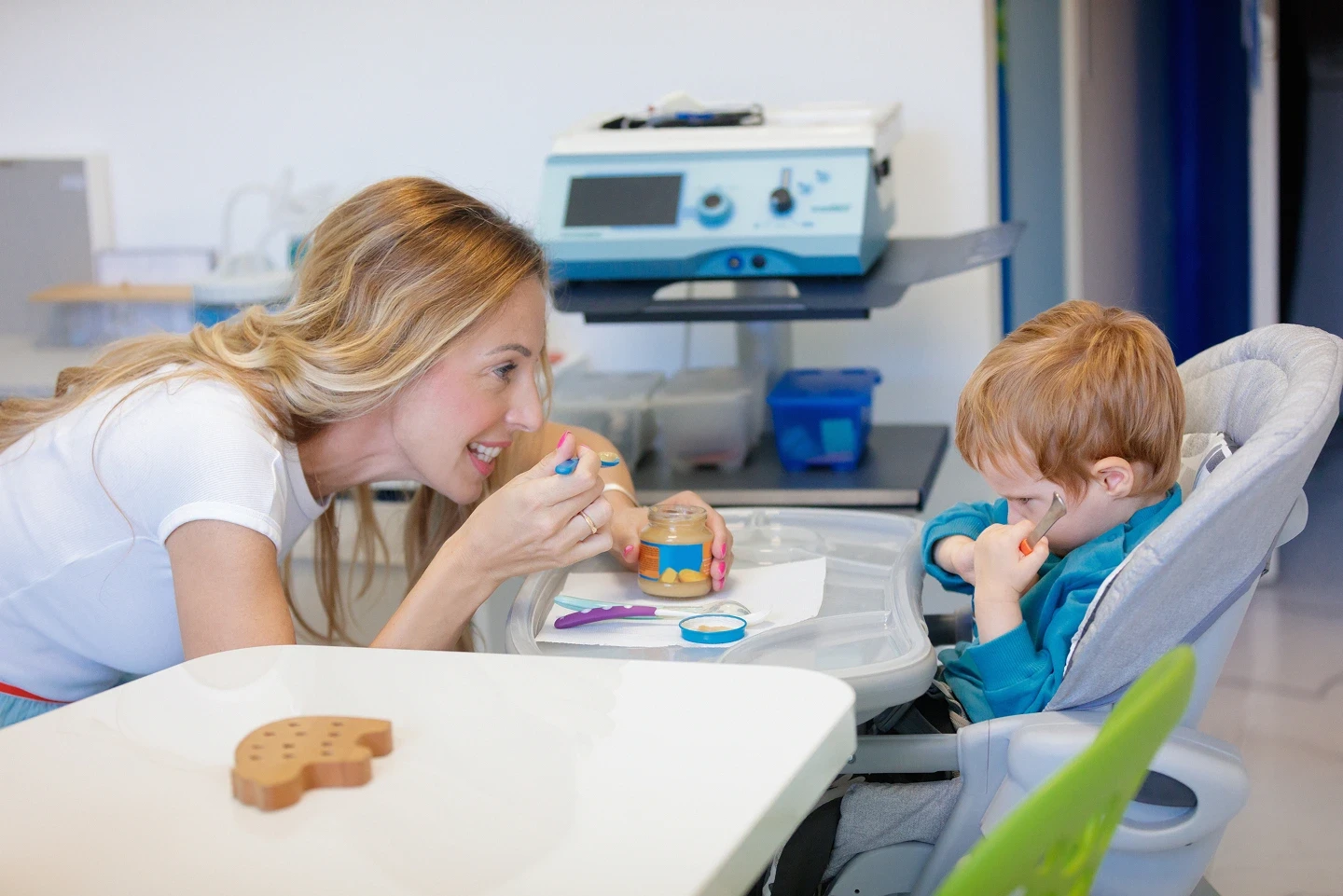
This is why feeding therapy is often much more playful, creative, and relationship-centered than many parents expect.
Rather than focusing on pressure or “just taking a bite,” many therapists use gentle, low-stress experiences that help children slowly build confidence, curiosity, and comfort around food over time. Research increasingly supports responsive feeding approaches that reduce stress while improving mealtime participation and food acceptance
A 2024 case report describing a Brazilian feeding therapy model found that playful food exploration, games, sensory activities, nutrition education, and positive caregiver interaction helped improve food acceptance in a child with feeding difficulties over 19 weeks.
Why Calm Bodies Often Eat Better
Digestion works best when the nervous system feels safe.
When children are overwhelmed, overstimulated, anxious, rushed, or pressured, the body may shift into a stress response state rather than a “rest and digest” state. In this mode, appetite, chewing coordination, swallowing comfort, and willingness to try foods can all become more difficult.
Many children with feeding challenges are not simply being “difficult.” Their nervous system may genuinely be communicating discomfort, sensory overload, uncertainty, or dysregulation. The body and brain are constantly communicating with each other bidirectionally, and children often express stress through physical sensations long before they can fully verbalize those feelings.
Mindfulness-based approaches may help support this process by encouraging children to notice body sensations, emotions, smells, textures, hunger cues, fullness, and sensory experiences in a calmer and more nonjudgmental way. Rather than pressuring children to “perform” during meals, mindful feeding approaches emphasize curiosity, safety, emotional attunement, and present-moment awareness.
Because of this, playful regulation activities before and after meals can sometimes help the body feel calmer and more organized for eating.
Creative Food Therapy Activities to Try at Home
Many feeding activities focus on reducing pressure while increasing playful interaction, body awareness, and positive sensory experiences around food.
Make Food Exploration Feel Like Play
Children often learn best through curiosity and imagination rather than direct pressure. Some playful food activities include:
Building silly food faces or “rainbow plates”
Creating shapes, patterns, or scenes with fruits and vegetables
Pretend restaurant play where the child becomes the chef, server, or food critic
“Food scientist” activities that explore crunch, temperature, smell, color, or texture
Decorating smoothies, yogurt bowls, toast, or mini pizzas together
Blindfolded “guess the crunch” or “mystery smell” games
Gardening herbs or vegetables together to build familiarity with foods before they appear on the plate
These experiences help children interact with food in ways that feel safe and enjoyable without immediate pressure to eat.
Body-Based Activities That Can Support Mealtimes
Occupational therapists also often use movement and sensory regulation strategies to help organize the nervous system before meals.
Some calming or regulating ideas include:
Animal walks like bear crawls, crab walks, or frog jumps before sitting down to eat to support grounding and regulation
Wall pushes, carrying groceries, or helping set the table for “heavy work” input
Blowing bubbles, pinwheels, or cotton balls to support breath regulation and oral-motor coordination
Practicing slow breathing exercises before meals to help support a calmer “rest and digest” nervous system state
Gentle swinging, rocking, or outdoor movement before meals
Calming music, dim lighting, or reducing screen distractions during meals.
Helping children build interoceptive awareness by identifying hunger, fullness, thirst, tension, and other body cues in a gentle, age-appropriate way
Encouraging children to mindfully explore foods through sight smell, texture, sound and touch
Creating calming post-meal routines such as quiet music, stretching, coloring, or reading together to support relaxation and digestion
Using simple mindfulness or grounding activities to help children notice sensations in their body without judgment but with curiosity and openness
Some families also find it helpful to create a simple “body signals” chart with their child to identify sensations such as nervous stomach feelings, fullness, tension, or hunger cues, along with calming strategies that help support regulation. This can encourage body awareness while helping children feel more involved and empowered during mealtimes.
These activities can help shift the body toward a calmer parasympathetic state that better supports digestion, coordination, and emotional regulation.
Small Steps Still Matter
Many therapists describe feeding progress as occurring along an “eating hierarchy.” Before comfortably eating a food, a child may first learn to tolerate it nearby, help prepare it, smell it, touch it, or interact with it during play.
These smaller experiences are still meaningful progress.
Importantly, responsive feeding approaches encourage caregivers to avoid pressure, bribing, or forcing bites, which can sometimes increase anxiety and food avoidance over time. Instead, therapists often focus on repeated positive exposures, child autonomy, and helping meals feel emotionally safe.
Caregiver modeling can also play an important role. Children often learn through observation, and seeing trusted adults calmly enjoy a variety of foods may help reduce fear and increase familiarity over time. Age-appropriate conversations about how food supports energy, growth, focus, play, and overall wellbeing can also help children develop a more positive relationship with eating.

An Integrative Perspective
From an integrative perspective, feeding challenges are rarely caused by a single issue alone. Sleep quality, constipation, enlarged tonsils, oral-motor coordination, sensory processing differences, stress, gut discomfort, emotional regulation, posture, and environmental overstimulation can all influence feeding behaviors.
Supporting feeding often means supporting the whole child through:
Predictable mealtime routines
Adequate sleep and circadian rhythm support
Daily movement and outdoor play
Nutrient-dense meals without pressure
Emotional co-regulation and connection with caregivers
Sensory-rich experiences throughout the day
Reducing stress and overstimulation when possible
Modeling calm, balanced relationships with food within the family environment
Education on the nutritional value of foods in an age appropriate way and how it supports the vast bodily functions imperative to well-being.
Research also suggests that caregiver involvement is one of the most important components of successful feeding therapy. Parent coaching and responsive feeding strategies may improve child mealtime behaviors while reducing family stress overall
Final Thoughts
Feeding therapy is often far more playful, creative, and relationship-based than families initially expect. Through games, sensory exploration, movement, nervous system regulation, and low-pressure food experiences, children can slowly build confidence and comfort around eating.
Most importantly, progress does not always happen in large leaps. Small, positive interactions with food—and calm, connected mealtime experiences—can help support both physical nourishment and emotional resilience over time.
References
Caldwell AR, Skidmore ER, Terhorst L, Raina KD, Rogers JC, Danford CA, Bendixen RM. Promoting Routines of Exploration and Play during Mealtime: Estimated Effects and Identified Barriers. Occup Ther Health Care. 2022;36(1):46-62. doi:10.1080/07380577.2021.1953205
Machado B, Andrades G, Mattiello R, Feoli A, Cuervo M, Costa D. Feeding therapy in a neurotypical child with feeding difficulties: Case report. Nutrition. 2024;121:112364. doi:10.1016/j.nut.2024.112364
Madonna M, Jeffers E, Harding K. Caregiver training improves child feeding behaviours in children with paediatric feeding disorder and may reduce caregiver stress: A systematic review and meta-analysis. International Journal of Speech-Language Pathology. 2024;27:634-646. doi:10.1080/17549507.2024.2381459