
Clinically reviewed by
Mary Gianatasio, MA in Child Psychology
If your child struggles with eating, mealtimes can quickly become stressful for the entire family. Parents may worry about nutrition, limited food variety, gagging, sensory sensitivities, poor weight gain, or emotional meltdowns around meals. In many cases, families are unsure whether these challenges are part of typical development or signs that additional support may be warranted.
A pediatric feeding evaluation is designed to better understand how a child eats, drinks, swallows, responds to food, and participates in mealtimes. Most importantly, it helps create a supportive, individualized plan that addresses the child’s unique developmental and sensory needs.
What Is a Pediatric Feeding Evaluation?
A pediatric feeding evaluation is a comprehensive assessment that looks at the many systems involved in feeding and eating. Feeding is far more complex than simply “liking” or “disliking” foods. It involves coordination between the nervous system, oral-motor skills, sensory processing, posture, digestion, emotional regulation, and family routines.
Recent occupational therapy research emphasizes that feeding challenges are often multifaceted, particularly in children with developmental, sensory, medical, or behavioral differences. Because of this, feeding evaluations are often collaborative and family-centered.
Depending on the child’s needs, evaluations may be completed by occupational therapists, speech-language pathologists, feeding specialists, dietitians, or multidisciplinary feeding teams working together to understand the whole picture.
What Happens During the Evaluation?
The evaluation typically begins with a detailed conversation about your child’s feeding history, development, medical background, and mealtime experiences. Parents may be asked about breastfeeding or bottle-feeding history, food preferences, sensory reactions, digestion, growth, developmental milestones, and daily routines.
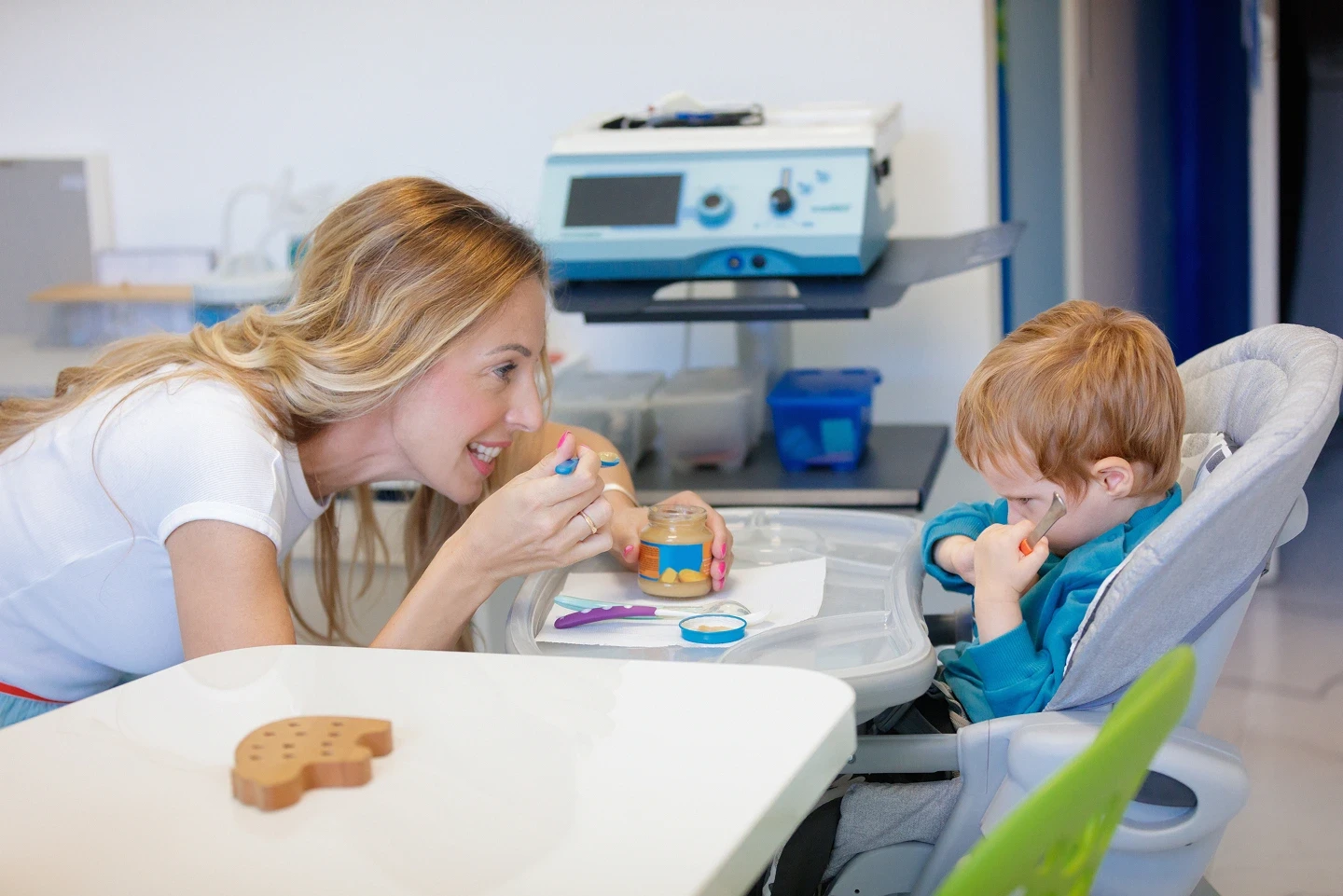
The therapist will usually observe your child eating or drinking during the appointment. This allows them to evaluate chewing, swallowing, oral coordination, posture, self-feeding skills, sensory responses, and emotional regulation during meals.
Clinicians are not simply looking at whether a child “eats enough.” They are also observing how the child interacts with food, responds to textures, coordinates movements, manages sensory input, and participates in the overall mealtime experience.
Some evaluations may also include gentle play-based strategies or therapeutic techniques to explore what helps the child feel more comfortable and successful while eating.
A Whole-Child Perspective on Feeding
Modern feeding therapy increasingly recognizes that feeding difficulties are rarely caused by a single issue alone. Research highlights the importance of evaluating feeding skills alongside sensory processing, behavior, family routines, emotional regulation, and caregiver experiences
From an integrative and functional perspective, feeding challenges may also intersect with:
Sensory processing differences
Oral-motor coordination challenges
In some children, digestive discomfort, constipation, reflux, stress, sleep difficulties, or nervous system dysregulation may also influence appetite, food acceptance, and mealtime participation. This broader perspective helps families understand that feeding struggles are not simply about “picky eating” or parenting style alone.

What Happens After the Evaluation?
At the end of the appointment, the therapist will discuss their observations and recommendations with the family. Some children may benefit from ongoing feeding therapy, while others may improve with simple changes to routines, sensory support, or mealtime strategies at home.
Therapy recommendations are often individualized and may include sensory-based approaches, oral-motor support, parent coaching, nutritional guidance, or play-based feeding activities. Research continues to show that caregiver involvement is one of the most important components of successful feeding intervention.
Importantly, feeding therapy is not about forcing children to eat. Many modern approaches focus on helping children feel safe, regulated, and confident around food while gradually building flexibility and positive feeding experiences over time.
Final Thoughts
A pediatric feeding evaluation helps clinicians better understand the many factors influencing a child’s ability to eat comfortably, safely, and confidently. Feeding reflects the interaction between the nervous system, sensory processing, motor development, emotional regulation, digestion, and family dynamics.
With compassionate, individualized support, feeding evaluations can help families better understand their child’s needs while creating calmer, more connected, and less stressful mealtime experiences.
References
St John BM, Piller A, Tanner K, Mance E, Ausderau KK. State of the Science of Pediatric Feeding Evaluation, Intervention, and Policy. Am J Occup Ther. 2026 Jan 1;80(1):8001185010. doi: 10.5014/ajot.2025.051354. PMID: 41343282.
Akyurek G, Koca Senturk RB. Current therapeutic and educational interventions for feeding problems in early childhood: A systematic review. Appetite. 2026 Jan 1;216:108271. doi: 10.1016/j.appet.2025.108271. Epub 2025 Aug 22. PMID: 40850595.