
Clinically reviewed by
Mary Gianatasio, MA in Child Psychology
From the earliest weeks of life, babies are building the foundation for movement, balance, posture, sensory processing, and emotional regulation. An important part of this developmental process involves primitive reflexes - automatic movement patterns directed by the brainstem that help infants adapt to life outside the womb.
One of these reflexes is the Landau reflex, sometimes referred to as the “flying reflex.” While it may seem subtle, this reflex plays an important role in supporting a child’s physical and neurological development.
What Is the Landau Reflex?
The Landau reflex emerges gradually during infancy and is activated when a baby is held horizontally in a prone (face-down) position. In response, babies naturally lift their head, arch the back, and extend their arms and legs outward - almost as if “flying.”
Researchers describe this reflex as an early postural response that supports anti-gravity movement, posture and motor development.
The reflex begins developing around the first month of life:
Around 4 weeks, babies often begin lifting the head briefly against gravity while lying on the stomach.
By approximately 2 months, many infants can lift the chest and begin engaging the arms.
Between 4–6 months, the full Landau pattern is typically present, including lifting the head, chest, and limbs together.
As the nervous system matures, the reflex gradually integrates– typically around 2–3 years of age - allowing for more coordinated and voluntary movement patterns to emerge.
Why Is the Landau Reflex Important?
The Landau reflex supports several foundational areas of development, including:
Core Strength and Posture
Because the reflex activates muscles along the neck, back, and trunk, it helps babies develop early postural stability and core strength. These early anti-gravity movements are essential for later milestones such as sitting, crawling, standing, and coordinated movement.
Balance and Coordination
The reflex also contributes to balance and body awareness. As babies learn to move against gravity, the nervous system refines communication between the vestibular system (balance), muscles, joints, and visual system.
Visual and Sensory Development
Lifting the head while lying on the stomach changes how babies visually engage with their environment. This supports visual tracking, spatial awareness, and sensory integration.
Integration of Other Primitive Reflexes
The Landau reflex also helps organize and integrate earlier reflexes, including:
The Tonic Labyrinthine Reflex (TLR)
The Symmetrical Tonic Neck Reflex (STNR)
Head-righting reflexes
Researchers continue exploring how primitive reflex integration relates to broader neurodevelopmental maturation. More recent assessment tools, such as the Children’s Primitive Reflex Integration Measurement Scale (CPRIMS), have also been developed to help evaluate reflex integration patterns in children.
Why Tummy Time Matters
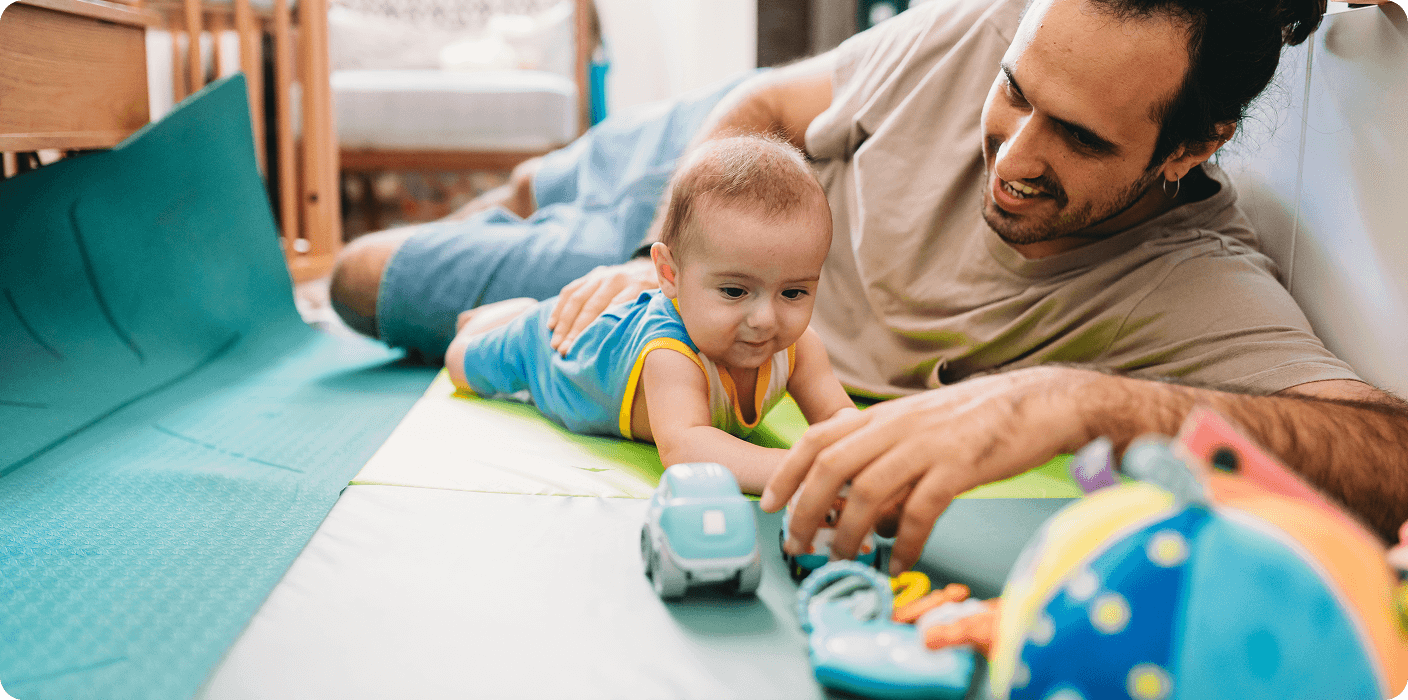
For the Landau reflex to develop appropriately, babies need regular opportunities for prone positioning, commonly called “tummy time.”
Time spent on the stomach provides important sensory and motor experiences that help strengthen the neck, shoulders, spine, and core muscles. It also stimulates vestibular and proprioceptive pathways that support nervous system development.
Babies who spend limited time in prone positions may have fewer opportunities to fully develop these foundational movement patterns.
Tummy time does not need to be lengthy or rigid. Short, consistent periods throughout the day - especially during awake and supervised time - can support healthy development in a gentle, developmentally appropriate way.

What Happens if the Reflex Remains Retained?
Primitive reflexes are meant to integrate as higher brain centers mature. When a reflex remains active beyond the expected developmental window, it is sometimes referred to as a retained reflex.
A retained Landau reflex has been associated with challenges involving:
Posture and core stability
Coordination and motor planning
Muscle tension patterns
Visual processing
Attention and sensory regulation
Some clinicians and developmental specialists also observe associations between retained primitive reflexes and challenges, involving stress regulation, emotional modulation, fatigue or resilience. While research in this area is still evolving, there is growing recognition of the close relationship between movement, posture, sensory processing, and nervous system regulation.
Importantly, retained reflexes are not viewed as a diagnosis on their own and do not necessarily indicate that something is wrong. Rather, they may offer additional insight into how the nervous system is processing sensory input, movement, stress, and developmental demands.
It is also valuable to remember that coordination difficulties, sensory sensitivities, emotional regulation challenges, and motor delays can have many contributing factors beyond primitive reflexes alone.
An Integrative Perspective on Development
Child development involves far more than isolated milestones alone. Movement patterns, sensory experiences, sleep, nutrition, stress, attachment, environmental exposures, and nervous system regulation all interact to support healthy brain development.
Supporting reflex integration often involves addressing the whole child through:
Developmentally appropriate movement and play
Adequate sleep and circadian rhythm support
Nutrient-dense nutrition to support brain and neuromuscular health
Outdoor time and sensory-rich experiences
Emotional safety and co-regulation with caregivers
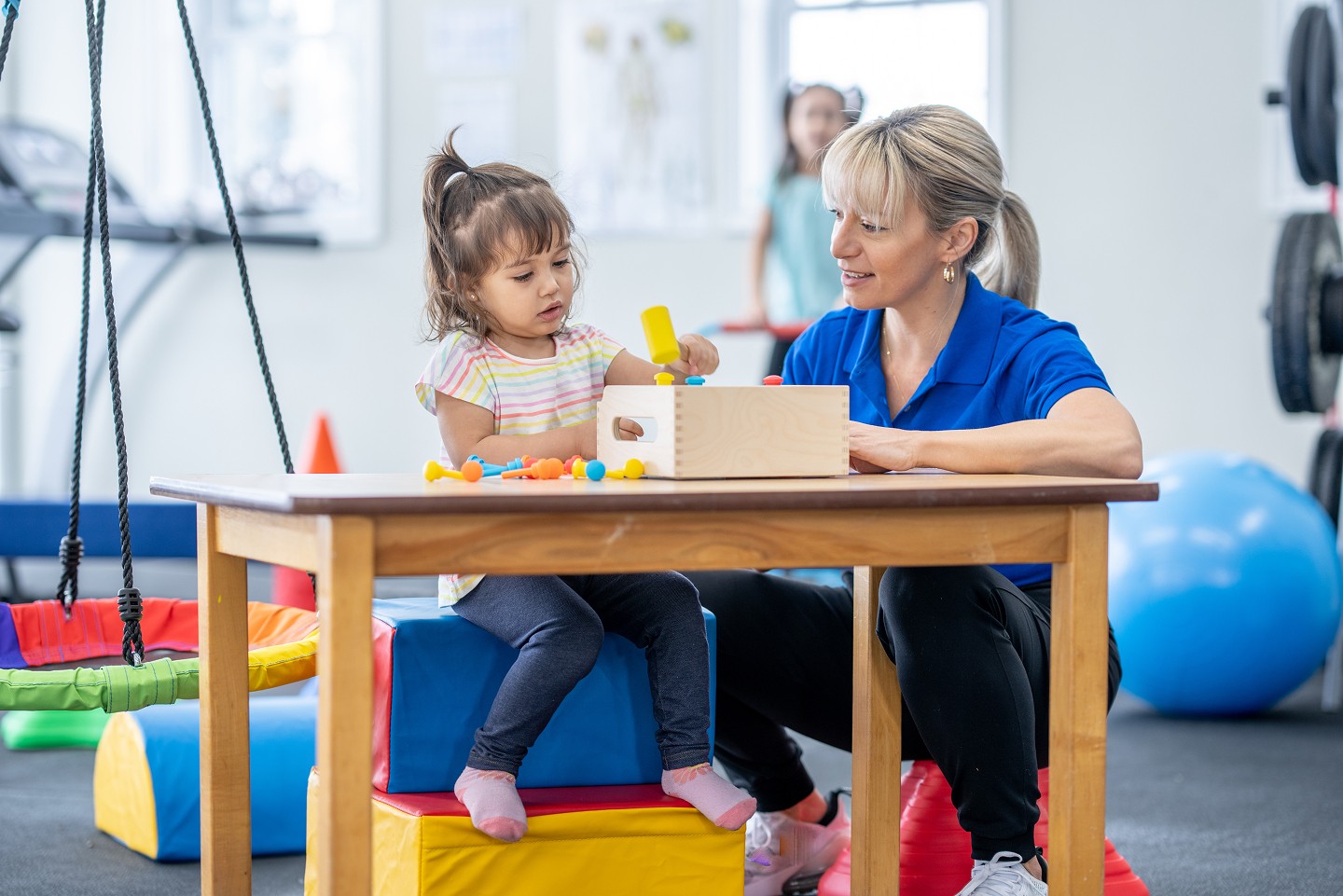
Occupational or developmental therapies when appropriate
Some children may also benefit from therapies designed to support motor coordination, sensory processing, or movement development under the guidance of qualified professionals.
When Should Parents Seek Support?
Every child develops differently, and variations in movement patterns are common. However, if parents notice persistent challenges with posture, coordination, balance, sensory sensitivities, motor delays, or emotional regulation, it may be helpful to discuss concerns with a pediatrician, occupational therapist, developmental specialist, or integrative healthcare practitioner.
Early support can help identify contributing factors and provide individualized strategies that support healthy nervous system development over time.
Final Thoughts
The Landau reflex is an important early developmental reflex that helps babies build strength, coordination, balance, posture and sensory integration as they learn to move against gravity. Though often overlooked, it reflects the close connection between movement, brain development, sensory experiences, and nervous system maturation.
By supporting healthy developmental foundations through movement, sensory experiences, nutrition, sleep, and responsive caregiving, parents can help create an environment that nurtures both physical and emotional resilience as children grow.
References
Mitchell, R. (1962). The Landau Reaction (Reflex). Developmental Medicine & Child Neurology, 4. https://doi.org/10.1111/j.1469-8749.1962.tb03099.x.
Wang, M., Yu, J., Li, H., Zhao, C., Li, Y., & Yang, X. (2025). Development of the children's primitive reflex integration assessment scale. Frontiers in Psychology, 16. https://doi.org/10.3389/fpsyg.2025.1495990.
Capute, A., Wachtel, R., Palmer, F., Shapiro, B., & Accardo, P. (1982). A Prospective Study of Three Postural Reactions. Developmental Medicine & Child Neurology, 24. https://doi.org/10.1111/j.1469-8749.1982.tb13623.x.